

On this page
October is Breast Cancer Awareness Month, and it's a good reminder to pay attention to changes in your breasts. Finding a lump can be frightening. The good news is that most breast lumps turn out to be benign (not cancer). Still, any new lump or change should be checked by a medical professional, and knowing when to see a breast surgeon can bring real peace of mind.
What can cause a breast lump?
Breast tissue naturally changes throughout life with hormones, age, pregnancy and menopause. Common non-cancerous causes of lumps include:
- Cysts: fluid-filled sacs that may feel smooth, round and sometimes tender
- Fibroadenomas: solid, rubbery, movable lumps common in younger women
- Fibrocystic changes: lumpy or rope-like tissue that often changes with the menstrual cycle
- Fat necrosis or infection: lumps that can follow an injury or inflammation
Breast cancer can also cause a lump, which is why a proper evaluation matters.
Signs you shouldn't ignore
Call your doctor if you notice:
- A new lump in the breast or underarm that doesn't go away after your next period
- A lump that feels hard, fixed in place or irregular in shape
- Skin dimpling, puckering or redness that looks like an orange peel
- A nipple that turns inward, or nipple discharge (especially bloody discharge)
- A change in the size or shape of one breast
What happens during an evaluation?
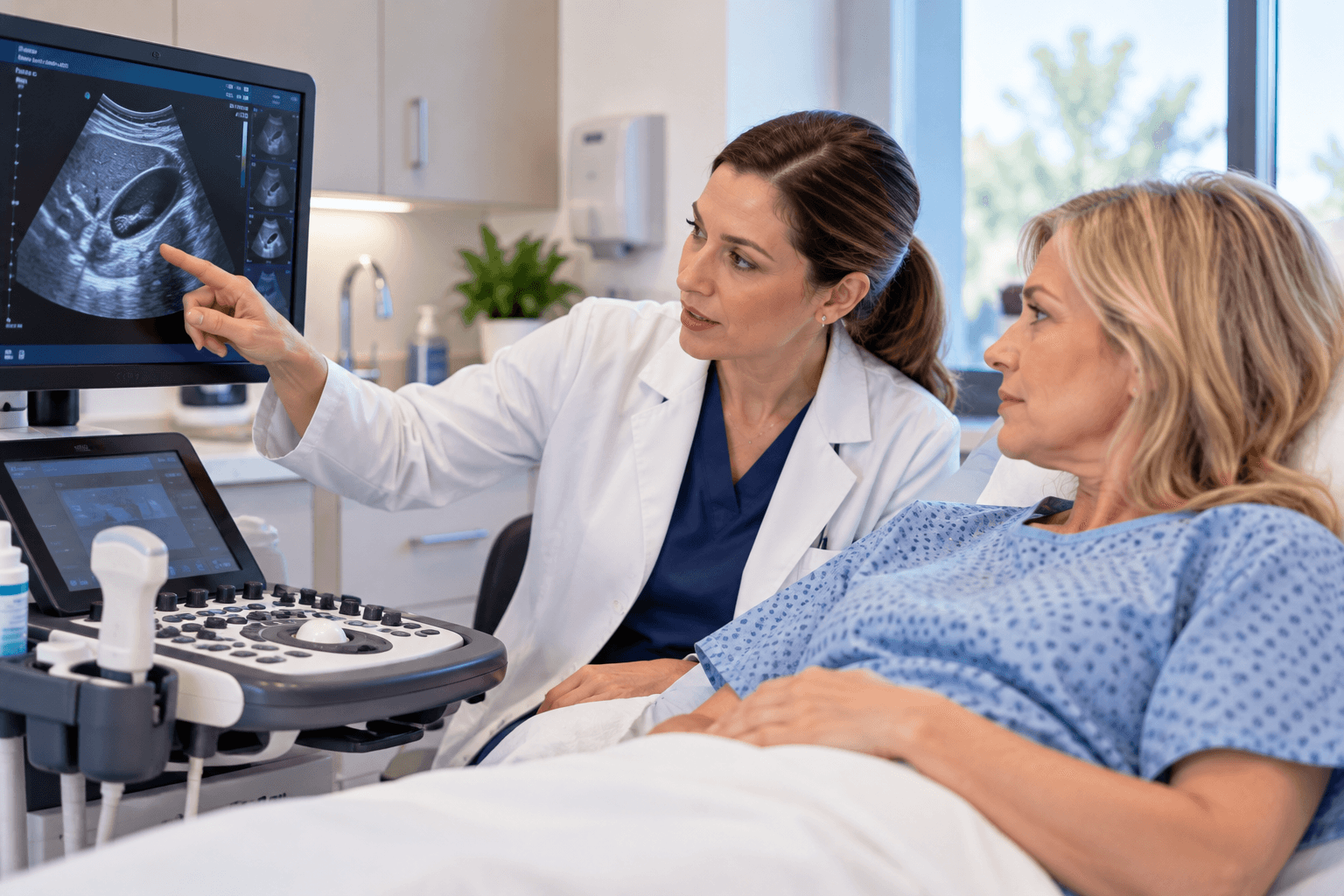
Your primary care provider or OB-GYN will usually start with a clinical breast exam and order imaging such as a mammogram or ultrasound. If imaging shows something that needs a closer look, you may be referred to a breast surgeon.
A breast surgeon specializes in diagnosing and treating both benign and cancerous breast conditions. At your visit, the surgeon will review your imaging, talk through your history and explain your options. That may include watching the area over time, a needle biopsy, or removal of the lump.
Don't skip your screening mammogram
Many breast cancers are found on a screening mammogram before a lump can be felt. Current national guidelines recommend that women at average risk begin screening mammograms every two years starting at age 40. Women with a strong family history or other risk factors may need to start earlier. Ask your doctor what schedule is right for you.
Breast care close to home
The board-certified surgeons at California Surgical Specialists evaluate and treat benign and cancerous breast conditions for patients across the Inland Empire and San Gabriel Valley. We see patients at our Upland and Glendora offices, and we'll walk you through every step with compassion and clear answers.
Frequently asked questions
Related services
Ready to get answers?
Call California Surgical Specialists at (909) 757-8425 or book an appointment online.
This article is for educational purposes and is not a substitute for medical advice. If you have symptoms, please see your healthcare provider.