

On this page
A soft bulge in your groin that shows up when you stand, cough or lift something heavy may be an inguinal hernia. It's one of the most common reasons people see a general surgeon. Inguinal hernias don't heal on their own, but they are very treatable, and knowing the symptoms helps you get care at the right time.
What is an inguinal hernia?
An inguinal hernia happens when fat or part of the intestine pushes through a weak spot in the lower abdominal wall, near the groin. Men develop inguinal hernias far more often than women, but anyone can get one. Some people are born with a weak area; others develop one over time from strain, heavy lifting, chronic coughing or aging.
Common symptoms
- A bulge on one or both sides of the pubic bone that may disappear when you lie down
- Aching, burning or pressure in the groin, especially at the end of the day
- Discomfort when bending, lifting, coughing or exercising
- In men, swelling or discomfort that extends into the scrotum
Some hernias cause no pain at all and are found during a routine physical.
When is it an emergency?
Sometimes the tissue gets trapped and loses its blood supply. This is called a strangulated hernia, and it needs emergency care. Go to the nearest emergency room if you have:
- A hernia bulge that turns red, purple or dark
- Sudden, severe pain at the hernia site
- Nausea, vomiting or fever
- A bulge that becomes firm and won't push back in
- Inability to pass gas or have a bowel movement
How are inguinal hernias treated?
Surgery is the only way to repair a hernia. For small hernias with few symptoms, some patients and surgeons choose to watch and wait. Most hernias grow over time, though, and many people eventually choose repair to relieve discomfort and prevent complications.
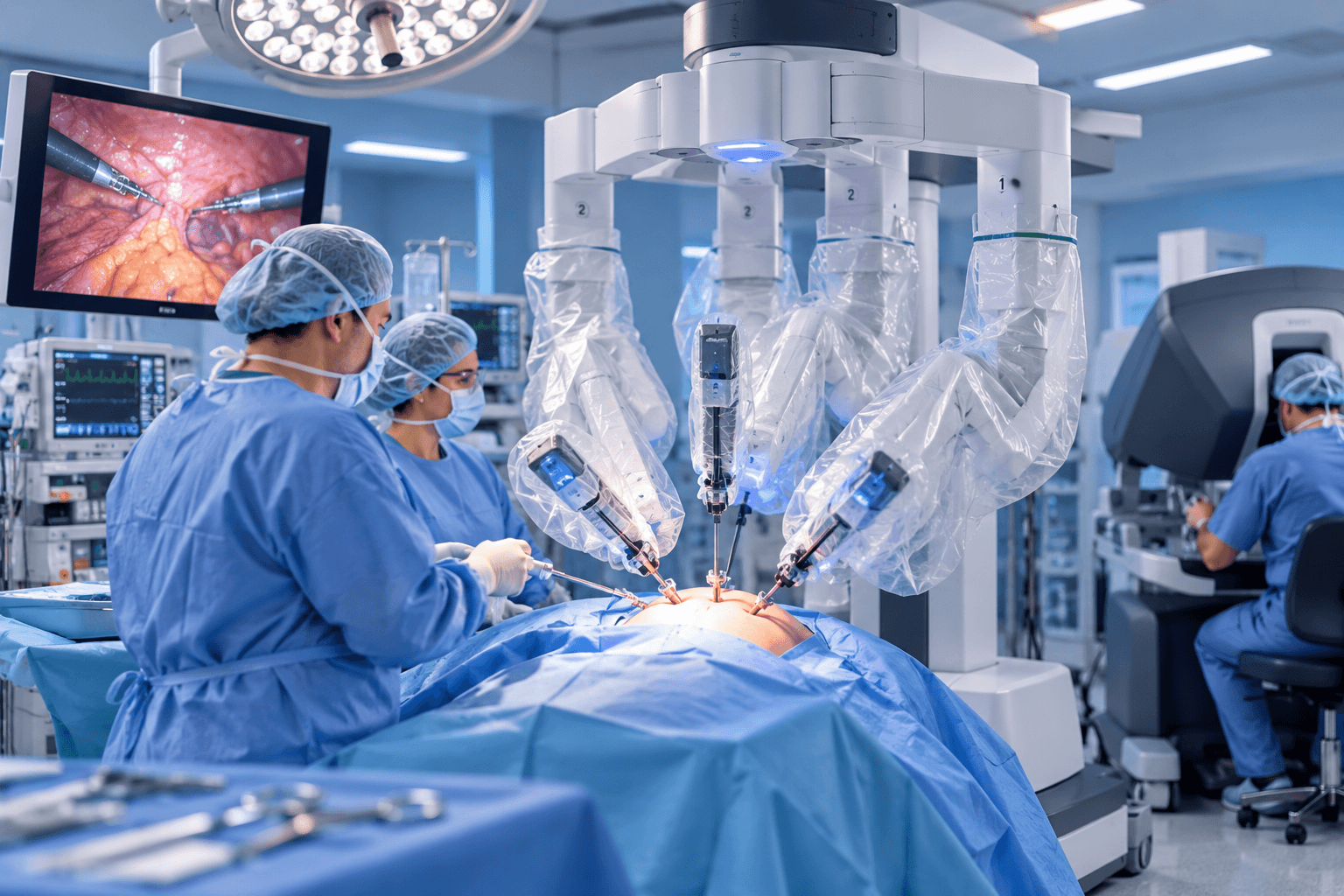
Today, many inguinal hernias can be repaired using minimally invasive laparoscopic or robotic techniques. These approaches use a few small incisions and a mesh to reinforce the weak area. Many patients go home the same day. Your surgeon will recommend the approach that fits your hernia and your health.
Hernia care in the Inland Empire
The surgeons at California Surgical Specialists treat inguinal, umbilical, ventral and complex recurrent hernias using minimally invasive and robotic techniques. We see patients in Upland and Glendora.
Frequently asked questions
Related services
Noticed a bulge?
Call California Surgical Specialists at (909) 757-8425 to schedule a hernia consultation.
This article is for educational purposes and is not a substitute for medical advice. If you have symptoms, please see your healthcare provider.