

On this page
If you've had abdominal surgery in the past, such as a C-section, appendectomy or colon surgery, and now notice a bulge near the scar, you may have an incisional hernia. These hernias are common and can develop months or even years after surgery.
What is an incisional hernia?
After surgery, the incision in the abdominal wall heals with scar tissue. If that area doesn't heal fully strong, tissue from inside the belly can push through and create a bulge. Incisional hernias are a type of ventral hernia, which means a hernia in the front of the abdominal wall.
Who is more likely to develop one?
- People who had a wound infection after surgery
- Those carrying extra weight around the abdomen
- Smokers
- People with diabetes or who take steroids
- Anyone who lifted heavy objects too soon after surgery
- People who have had several abdominal operations
Symptoms
- A bulge near or along an old incision, often more noticeable when standing or straining
- Discomfort, pulling or aching at the site
- A bulge that grows over time
Why not just wait?
Small hernias with no symptoms may be watched for a time. But incisional hernias tend to enlarge, and larger hernias can be more complex to repair. Getting evaluated early gives you more options.
Repair options
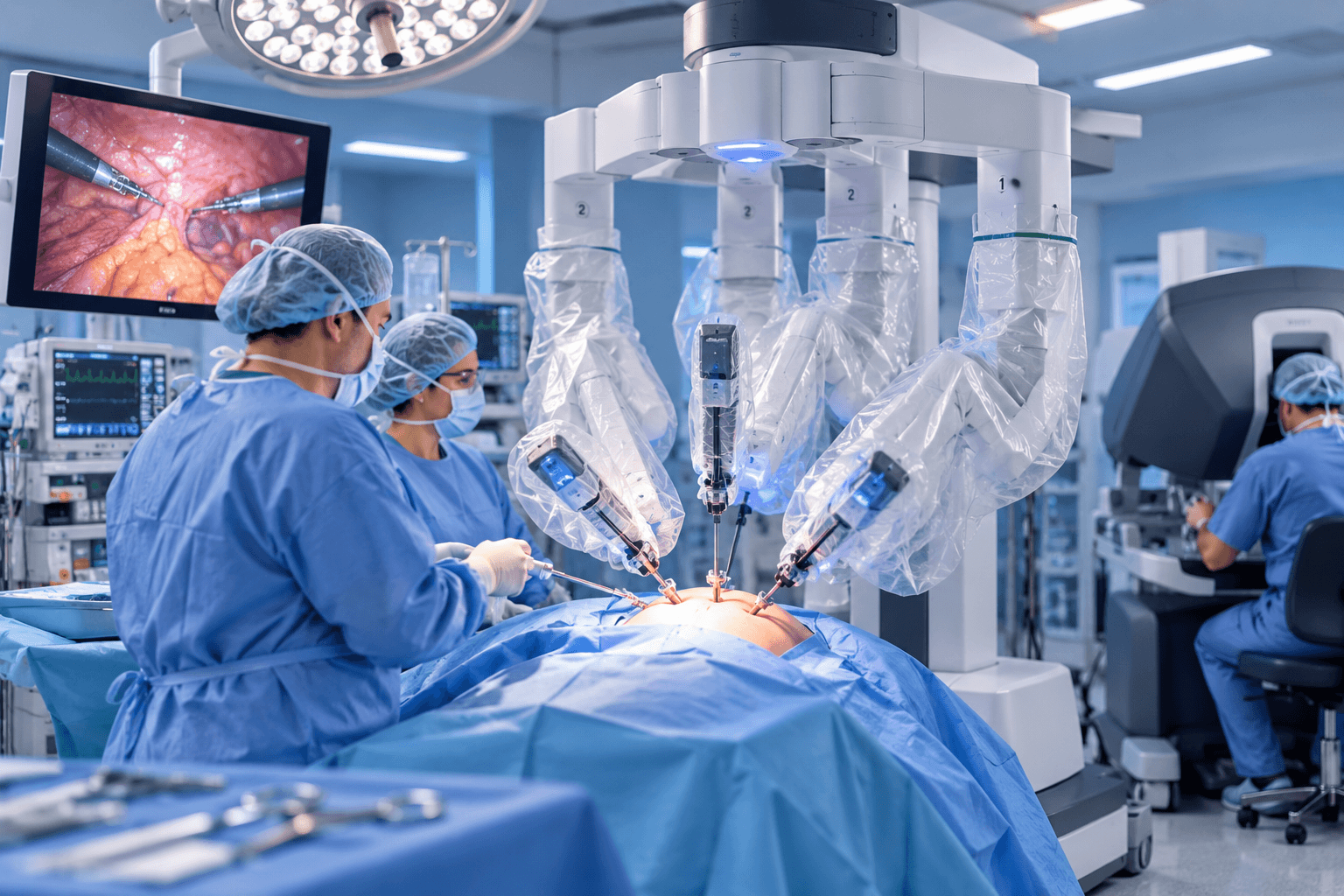
Most incisional hernias are repaired with mesh to strengthen the abdominal wall. Many can be fixed using robotic or laparoscopic techniques through small incisions away from the old scar. Large or recurrent hernias may need abdominal wall reconstruction, which restores the muscles to a more normal position. Our surgeons have extensive experience with complex and recurrent hernias.
Frequently asked questions
Related services
Have a bulge near an old scar?
Call California Surgical Specialists at (909) 757-8425 to schedule an evaluation in Upland or Glendora.
This article is for educational purposes and is not a substitute for medical advice. If you have symptoms, please see your healthcare provider.