Barrett's Esophagus and Esophageal Cancer: What Reflux Patients Should Know
Years of frequent acid reflux can change the lining of the esophagus. Learn what Barrett's esophagus is, who should ask about screening and the warning signs of esophageal cancer.

On this page
Most people with heartburn will never develop a serious problem. But years of frequent acid reflux can damage the lining of the esophagus. In some people, this leads to a condition called Barrett's esophagus, which raises the risk of esophageal cancer. Here's what reflux sufferers should know.
What is Barrett's esophagus?
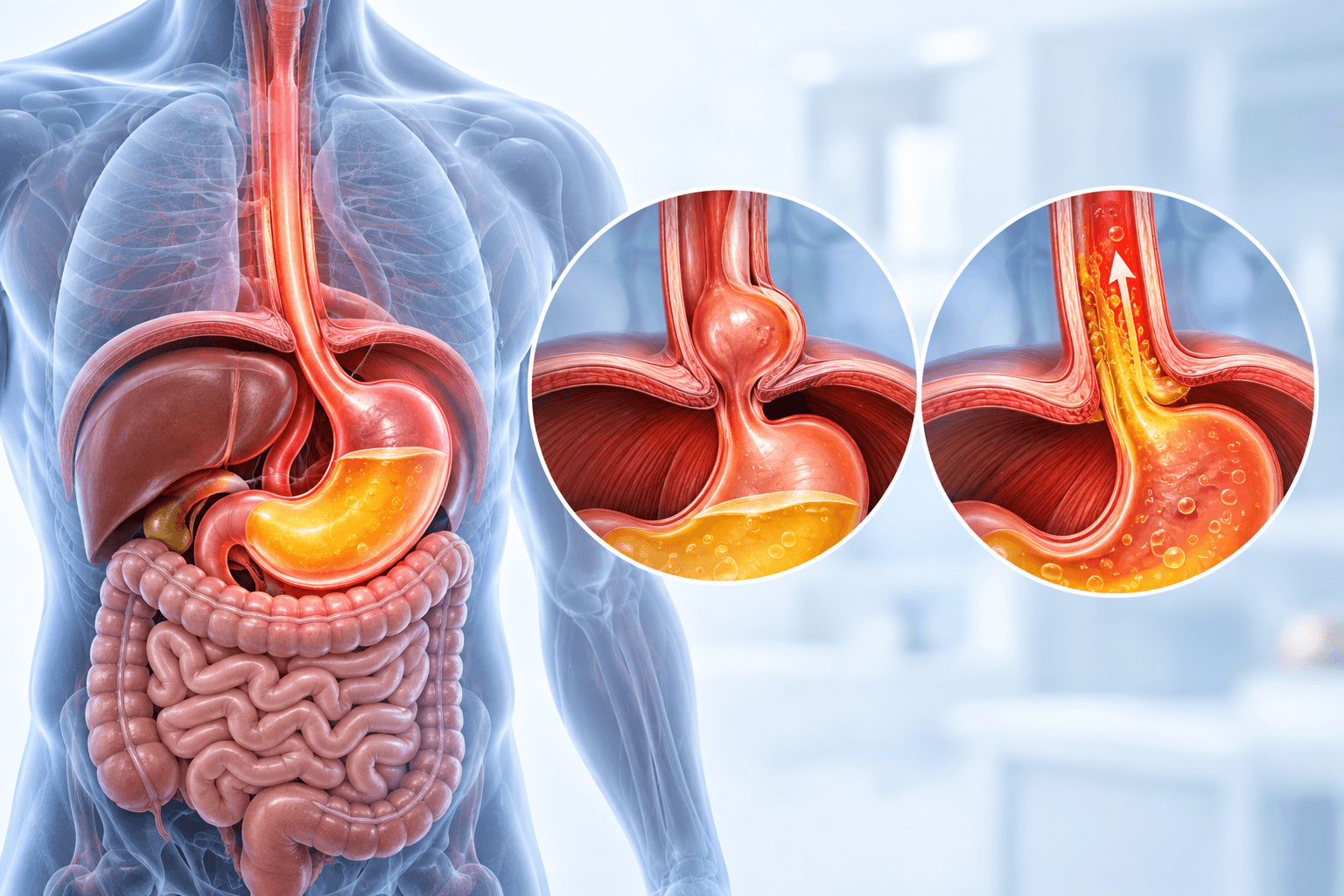
In Barrett's esophagus, the normal lining of the lower esophagus is replaced by tissue that looks more like the lining of the intestine. This change is thought to be the body's response to repeated acid exposure. Barrett's itself doesn't cause symptoms, so it's usually found during an upper endoscopy.
Who should ask about screening?
Talk with your doctor about an endoscopy if you've had frequent reflux for many years and have other risk factors, such as:
- Age 50 or older
- Male sex
- White race
- Excess weight around the abdomen
- Current or past smoking
- A family history of Barrett's esophagus or esophageal cancer
How Barrett's is managed
Most people with Barrett's esophagus never develop cancer. Management usually includes:
- Medication to control acid
- Regular endoscopy to check for changes in the cells, called dysplasia
- Endoscopic treatments to remove or destroy abnormal tissue if dysplasia is found
- Anti-reflux surgery for some patients to stop ongoing reflux damage
Signs of esophageal cancer
- Difficulty swallowing that gets worse over time, often starting with solid foods
- Unintentional weight loss
- Chest pain, pressure or burning
- Worsening indigestion or heartburn
- Hoarseness or a chronic cough
Treatment for esophageal cancer
Treatment depends on the stage. Very early cancers may be removed through an endoscope. Others are treated with a combination of chemotherapy, radiation and surgery to remove part of the esophagus (esophagectomy). Our surgeons specialize in minimally invasive and robotic foregut surgery, including esophageal and stomach cancers, and coordinate closely with your oncology team.
Frequently asked questions
Related services
Living with long-term reflux?
Call California Surgical Specialists at (909) 757-8425 to talk with a foregut surgeon in Upland or Glendora.
This article is for educational purposes and is not a substitute for medical advice. If you have symptoms, please see your healthcare provider.