
Advanced Care for Gastric Conditions
From GIST tumors to gastric cancer, our team utilizes state-of-the-art robotic surgery to perform complex stomach procedures with precision and faster recovery.
Expert Gastric Surgery
Surgery on the stomach (gastric surgery) requires a surgeon with a deep understanding of the upper digestive tract. Whether treating a malignant tumor or a complication from severe ulcers, the goal is always the same: cure the disease while preserving your ability to eat and digest food.
Dr. Ali Abidali and Dr. Sana Qureshi specialize in Robotic Gastrectomy, allowing for precise removal of tumors and careful reconstruction of the digestive system through small incisions.
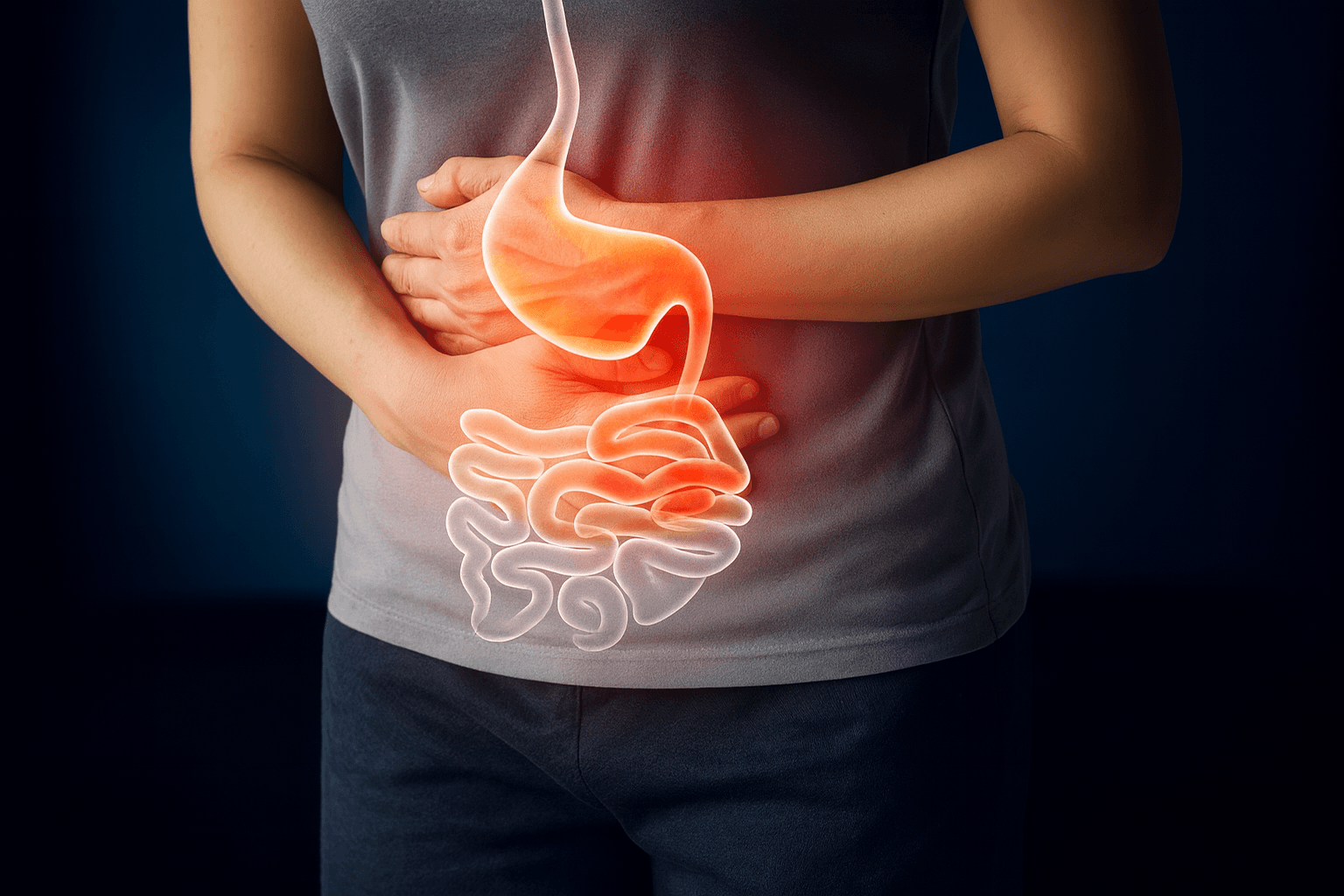
Conditions We Treat
Stomach Cancer (Gastric Adenocarcinoma)
The Goal:
Complete removal of the tumor and surrounding lymph nodes.
The Procedure:
Depending on the location, we perform a Partial Gastrectomy (removing part of the stomach) or Total Gastrectomy (removing the whole stomach).
GISTs (Gastrointestinal Stromal Tumors)
The Goal:
These specialized tumors often grow on the outside of the stomach wall.
The Procedure:
We perform a Wedge Resection, removing just the tumor and a rim of healthy tissue without removing the whole stomach.
Peptic Ulcer Disease (Complicated)
The Goal:
Treating non-healing ulcers that have caused perforation (a hole in the stomach) or blockage.
The Procedure:
Patch repair (Graham Patch) or resection of the ulcerated area.
Why Robotic Gastrectomy?
Stomach surgery involves working around major blood vessels and connecting the stomach to the small intestine (reconstruction). The da Vinci® Surgical System offers crucial benefits:
Lymph Node Dissection
For cancer, removing lymph nodes is vital for staging/cure. The robot's precision allows us to perform a "D2 Lymphadenectomy" safely.
Secure Connections
Sewing the intestine to the stomach is technically difficult. The robot allows us to hand-sew these connections inside the abdomen with extreme accuracy, reducing the risk of leaks.
Faster Recovery
Smaller incisions mean less pain and a quicker return to eating compared to large open incisions.
Adjusting to a New Normal
Dietary Changes
If a large portion of your stomach is removed, you will need to eat smaller, more frequent meals. We work with dietitians to guide you.
Vitamin Support
We monitor your B12 and iron levels, as absorption changes after gastric surgery.
Recovery
Most patients spend 3–5 days in the hospital to ensure the new connections have healed before starting a liquid diet.
Fellowship-Trained Expertise
Stomach surgery is complex "foregut" surgery. Dr. Abidali's fellowship training in Abdominal Transplant involves extensive work with the blood supply of the upper abdomen (liver, pancreas, stomach). This high-level vascular experience makes him uniquely qualified to handle difficult gastric tumors safely.
Frequently Asked Questions
Yes. In a Total Gastrectomy, we connect the esophagus directly to the small intestine. While you won't have a "food reservoir" (meaning you can't eat big meals), your body still digests and absorbs food in the intestines.
Surgery is the primary treatment. However, unlike standard cancer, GISTs sometimes respond to targeted pills (like Imatinib). We coordinate with your oncologist to decide if you need medication before or after surgery.
While the anatomy is sometimes similar, the goal is different. Cancer surgery focuses on wide margins and lymph nodes, whereas bariatric surgery focuses on weight loss. However, Dr. Abidali's expertise covers the full scope of gastric anatomy.