
Precision Removal, Aesthetic Restoration
Expert surgical care for melanoma and non-melanoma skin cancers. We focus on complete cancer removal while prioritizing the best possible cosmetic outcome.
Complete Cure with Surgical Excision
Skin cancer is the most common form of cancer, but it is also one of the most treatable when caught early. While some superficial cancers can be treated with freezing or creams, deeper or more aggressive lesions require surgical excision.
At California Surgical Specialists, we bridge the gap between oncologic safety (making sure the cancer is gone) and plastic surgery principles (minimizing the scar). We treat:
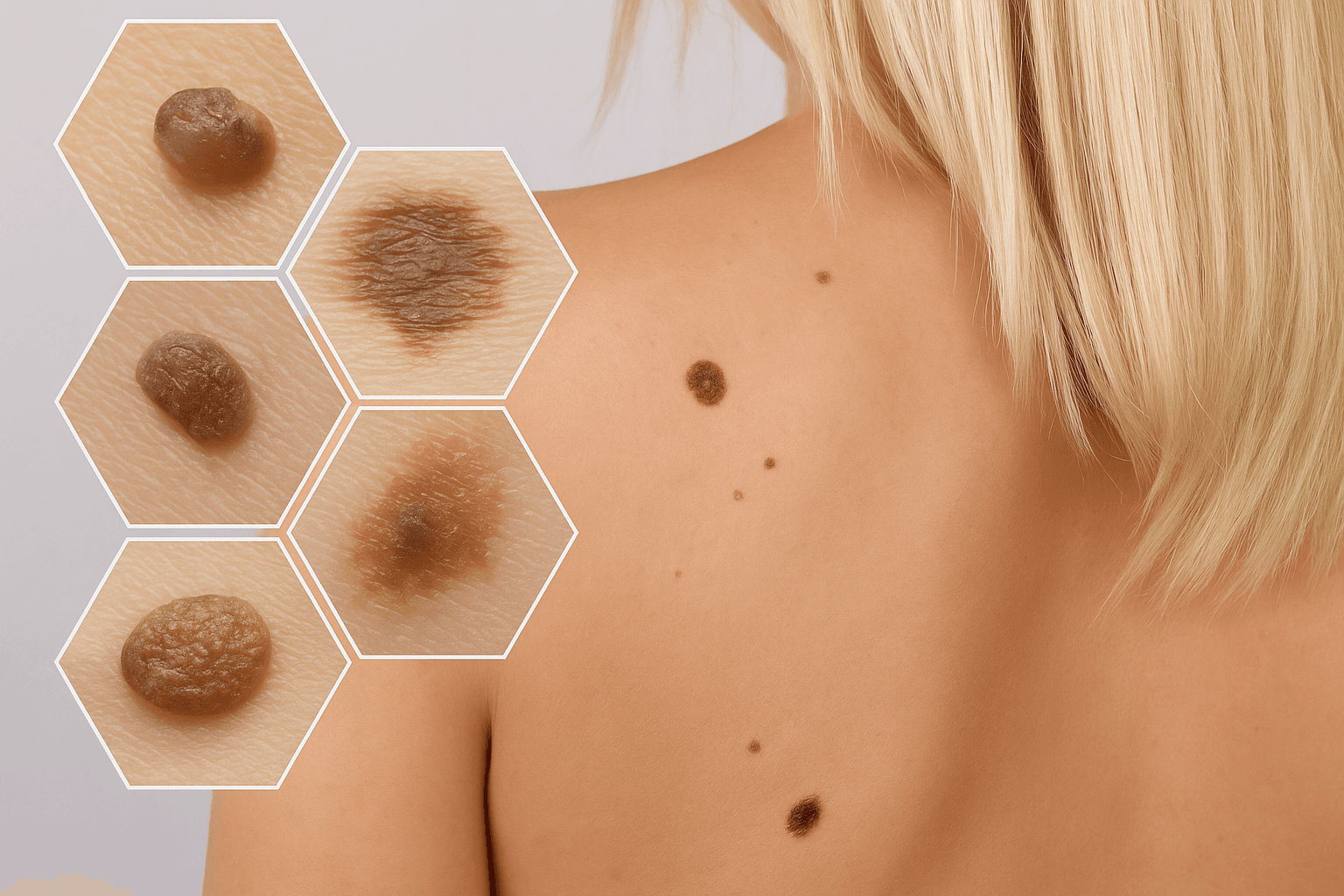
Basal Cell Carcinoma (BCC)
The most common type, usually caused by sun exposure.
Squamous Cell Carcinoma (SCC)
Can grow deeper if left untreated.
Melanoma
The most serious form, requiring precise staging and removal.
Ensuring Clear Margins
The goal of skin cancer surgery is to remove the visible tumor along with a safety rim of healthy skin known as a "margin."
The Process:
We mark the area precisely based on national guidelines. The tissue is removed and sent to a pathologist who examines the edges under a microscope.
Clear Margins:
A "clear margin" means no cancer cells are seen at the edge of the removed tissue, significantly reducing the risk of the cancer coming back.
Restoring Your Appearance
Removing the cancer is only the first half of the surgery. Closing the wound is equally important, especially on visible areas like the face, neck, or hands.
We specialize in advanced closure techniques:
Linear Closure
Orienting the scar within natural skin wrinkles/lines so it fades into the background.
Skin Flaps
Moving adjacent healthy skin to cover the wound. This provides the best color and texture match.
Skin Grafts
For larger areas where the skin cannot be pulled together, we take a thin layer of healthy skin from another part of the body to cover the defect.
Advanced Care for Melanoma
Melanoma requires a more specialized approach than other skin cancers. If the melanoma is deep, there is a risk it may have spread to nearby lymph nodes.
Sentinel Lymph Node Biopsy (SLNB):
Unlike a standard dermatologist, our surgeons are trained to perform SLNB. During the surgery to remove the melanoma, we use a special dye to locate the very first lymph node that drains the tumor site. We remove and test just this specific node.
- If negative: You may avoid more extensive surgery.
- If positive: It guides your oncologist on the next steps for treatment.
Your Surgical Journey
Anesthesia:
Small lesions are removed under local anesthesia (numbing shots) right in the office. Larger cases or those requiring skin grafts may be done in an outpatient surgery center under light sedation for your comfort.
Recovery:
Most patients experience minimal pain. Sutures are typically removed in 7–14 days, depending on the location.
Scar Care:
Once the wound is healed, we provide guidance on scar massage and silicone therapy to help the scar flatten and fade over time.
Surgical Precision
We understand that surgery leaves a mark. Our goal is to make that mark as invisible as possible while ensuring your health is protected. Dr. Abidali and Dr. Qureshi apply rigorous surgical techniques to ensure deep cancers are fully removed while respecting the cosmetic appearance of your skin.
Frequently Asked Questions
Dermatologists are excellent at diagnosing and treating small surface cancers (often using Mohs surgery). However, for larger tumors, melanomas requiring lymph node checks, or deep cancers requiring complex reconstruction (flaps/grafts), a general surgeon is often required to handle the deeper tissue and ensure oncologic safety.
Surgical excision has a very high cure rate, often exceeding 95% for early-stage Basal and Squamous cell carcinomas. "Clear margins" are the best predictor of a cure.
Initially, a graft looks different from the surrounding skin. Over time (6-12 months), it heals and blends in, though the texture may remain slightly different. We always prioritize flap closures first (using your own nearby skin) because they look better than grafts.