
Specialized Surgical Care for the Liver
The liver is a complex, vital organ. Trust your care to a surgeon with fellowship training in Abdominal Transplant and Hepatobiliary surgery.
Complex Anatomy Requires Expert Hands
The liver is the largest internal organ and is highly vascular (filled with blood vessels). Surgery on the liver requires a surgeon with exceptional technical skills to control bleeding and protect the bile ducts.
Dr. Ali Abidali completed specialized fellowship training in Multiorgan Abdominal Transplant Surgery at the University of Cincinnati. While we do not perform full organ transplants in our private clinic, this high-level training means Dr. Abidali possesses the advanced skills necessary to perform complex liver resections and cyst removals with a level of safety and precision that exceeds standard general surgery.
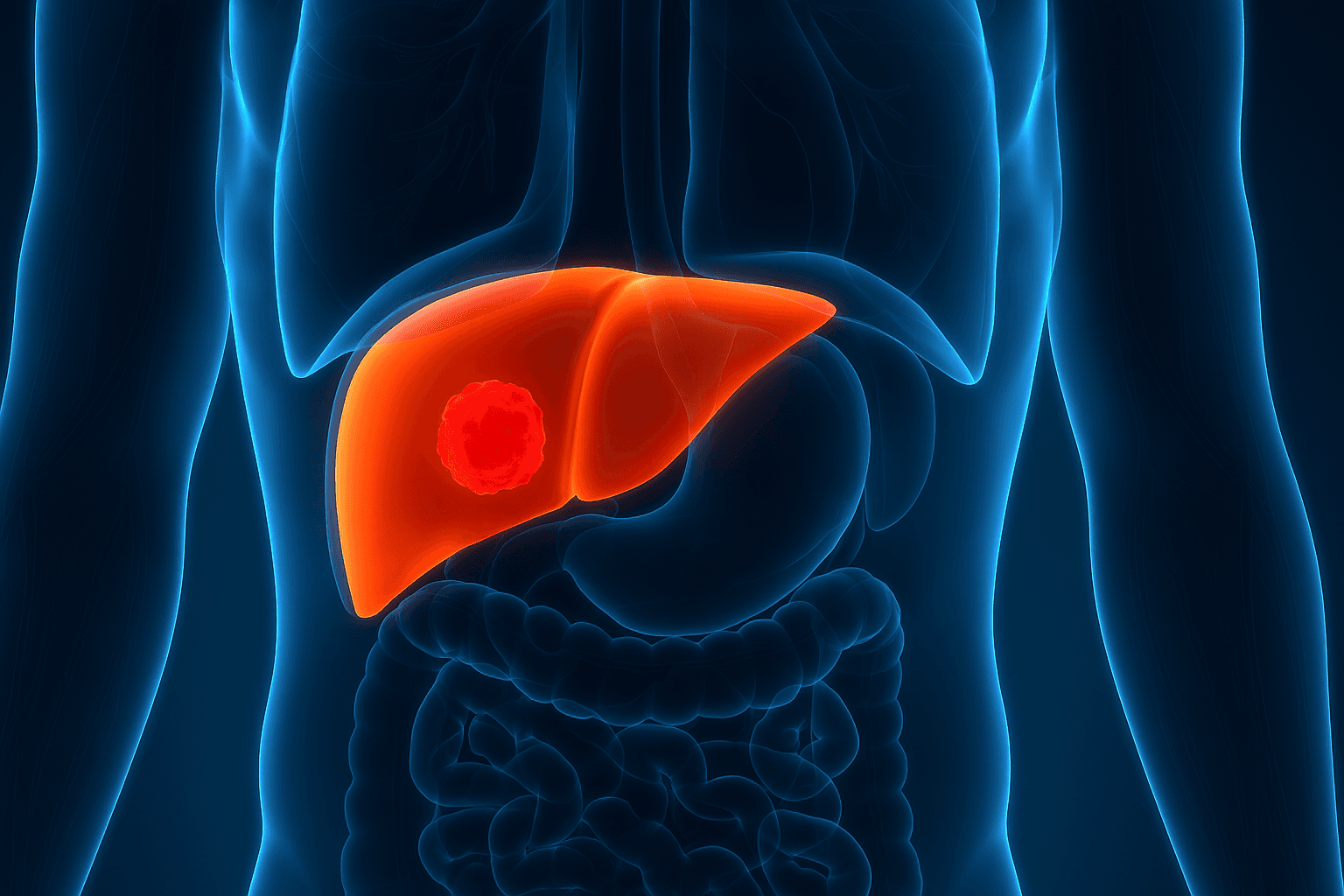
Conditions We Treat
A. Liver Cysts
Simple Cysts
Fluid-filled sacs that are very common. Usually, they don't need treatment, but if they become large, painful, or infected, we surgically "unroof" or remove them.
Polycystic Liver Disease
A condition where multiple cysts grow, sometimes requiring surgical management to relieve pressure.
B. Benign Liver Tumors
Hemangiomas
A tangle of blood vessels. We remove them if they grow large or cause pain.
Hepatic Adenomas
Tumors often linked to hormone use (like birth control pills). They carry a risk of bleeding, so surgical removal is often recommended.
C. Liver Cancer (Primary & Metastatic)
Hepatocellular Carcinoma (HCC)
Primary liver cancer.
Metastatic Colorectal Cancer
Cancer that has spread from the colon to the liver. In coordination with oncologists, we can sometimes remove these tumors to improve survival.
Removing the Disease, Sparing the Organ
Liver resection involves removing the portion of the liver containing the tumor or cyst.
Partial Hepatectomy
Removing a small wedge or a specific segment of the liver.
Regeneration
The liver is the only organ in the body that can regenerate. After removing a portion of it, the remaining healthy liver grows back to near its original size within weeks.
Technique
Depending on the size and location of the mass, we may perform this laparoscopically (minimally invasive) or via a traditional open approach for maximum safety and control.
Getting the Right Answers
Not every spot on the liver needs surgery. We often perform diagnostic biopsies to determine exactly what a mass is.
Image-Guided Biopsy
Using ultrasound or CT to guide a needle into the mass.
Laparoscopic Biopsy
Using a camera to look at the liver surface and take a sample directly.
Fellowship-Trained Precision
Liver surgery is not a "general" procedure—it is a specialty. Dr. Abidali's background in performing hundreds of complex abdominal procedures ensures that whether you need a simple biopsy or a complex mass removal, you are in the safest hands possible.
Frequently Asked Questions
Liver surgery is complex, but the risks are significantly lower when performed by a specialist. Dr. Abidali's transplant training focuses specifically on the anatomy of the liver's blood vessels, minimizing the risk of bleeding.
Recovery depends on how much liver is removed. For a simple cyst removal, you may go home the same day. For a major resection (removing a lobe), you may stay in the hospital for 3–5 days to monitor liver function.
Yes. Because the liver regenerates, most patients return to normal liver function quickly and have no long-term dietary restrictions once fully healed.